 Professional Training For All Ages And Abilities
Professional Training For All Ages And Abilities
Professional Training For All Ages And Abilities
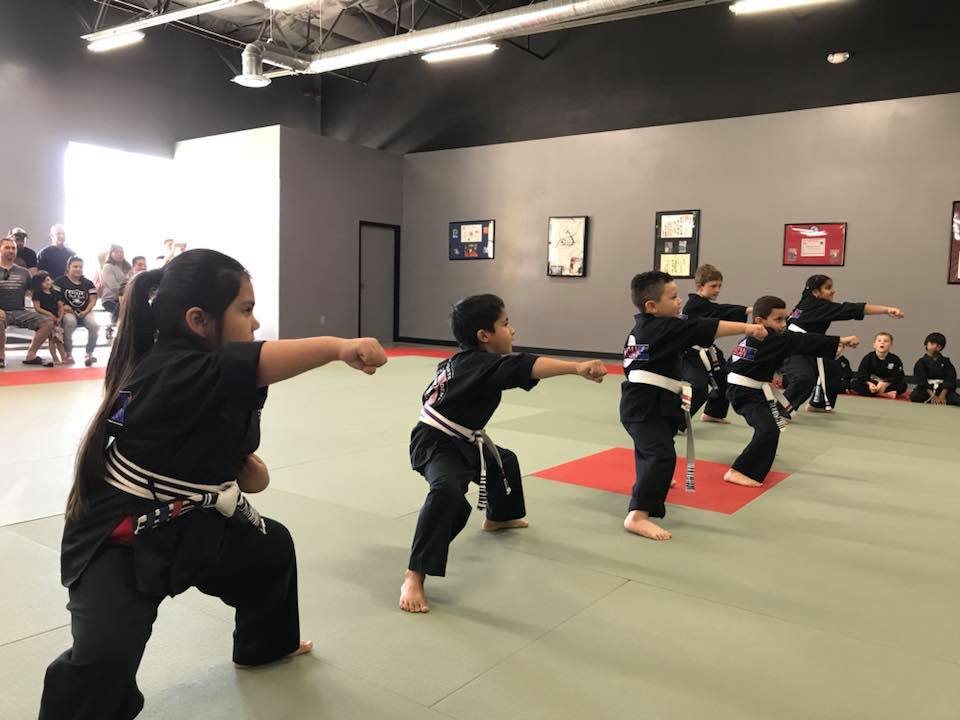
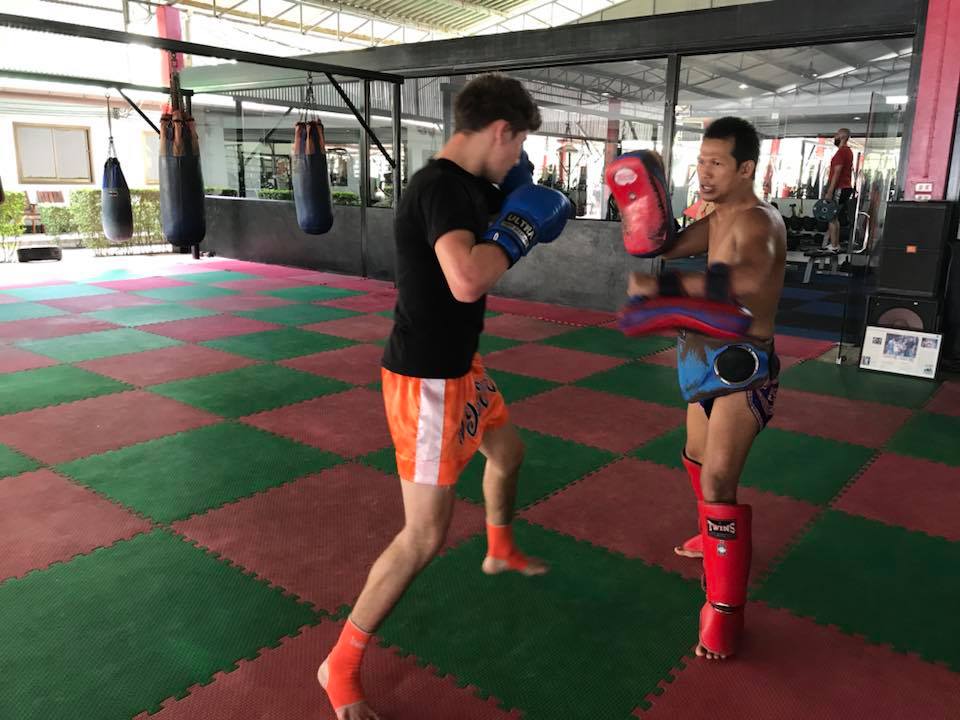
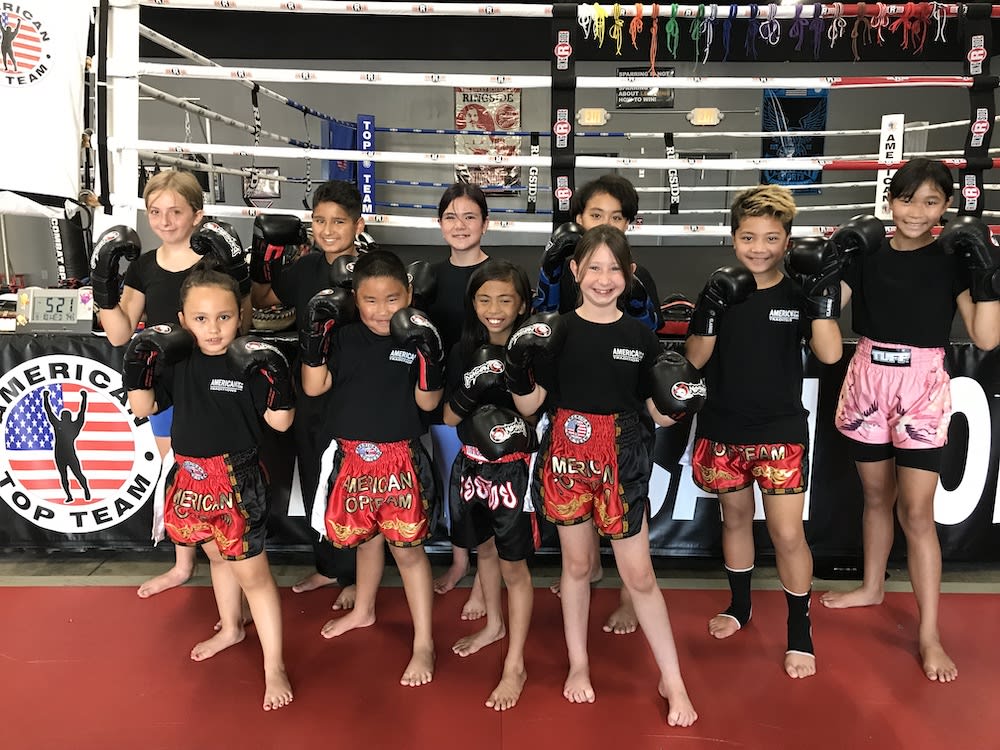
Welcome to American Top Team in Tracy, where men, women, and children can thrive. We are proud to offer you the highest-quality classes in town - each with a complete dedication to your success. Our Kids Martial Arts classes build discipline and respect in students of all ages and our Adult classes are the best way to learn self-defense AND stay in shape. PLUS, our Muay Thai Kickboxing offers authentic instruction and certified coaches who travel annually to train in Thailand. Check it all out for yourself. All you have to do is fill out the short form on your screen to get started!
"There are probably four or five great teams that are capable of putting out world champions, and American Top Team is one of them." - UFC President Dana White
"In my opinion, American Top Team is the BEST MMA camp in the country!" - UFC Commentator Joe Rogan
I’ve been training here for over 2 years, and I have to say this academy is top notch. All the instructors are professional, the facility is clean, and all the students and staff are very welcoming to all people. If I could give 10 stars I would give 11

The owners are an AMAZING BEAUTIFUL family! Our 2 daughters started at this dojo since 9yrs old, they are now 2nd degree blackbelts with the superb training of the Albrachts and their wonderful staff. This training has taught our daughters mind/body and soul life lessons they will use throughout their life. We rate them as a 5 star dojo for sure!

When you become a team member here you become family. This place is FULL of support and people encouraging your best.
My 8 years old son has been with American Top Team almost year now and he loves it. The staff is like family to us. The teachers are very knowledgeable, patient and encourage the kids to always do their best. Lets give a big Shout Out and Thank you to Shannon, Gloria, Toby, Andrea, Nicole and Leah! Now I have joined my son in the fun and become a new member of the American Top Team Tracy Martial Arts and Kickboxing and I highly recommend you do them same.
The best people to teach you, work at Top Team Traditions!

The best people to teach you, work at Top Team Traditions!

American Top Team has amazing instructors/staff and they are very professional. I love the flexibility in the classes they offer. Instructors know each and every kid by name. I like the balanced approach of teaching where there is a right amount of strictness and some humor to keep the environment fun and keep the kids motivated. I actually feel like there is learning going on, and my kids are benefiting from it.